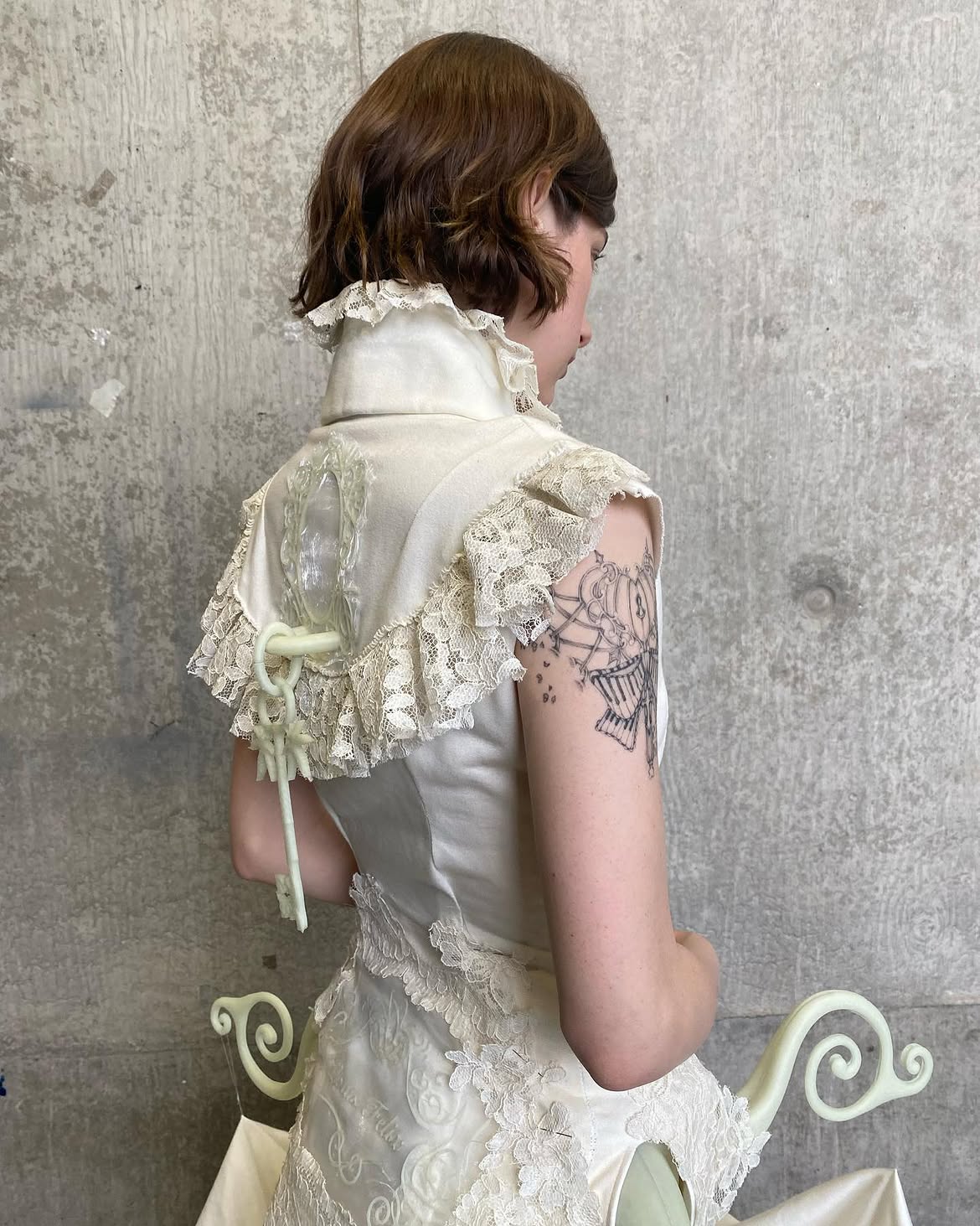
Goth Acid fantasy
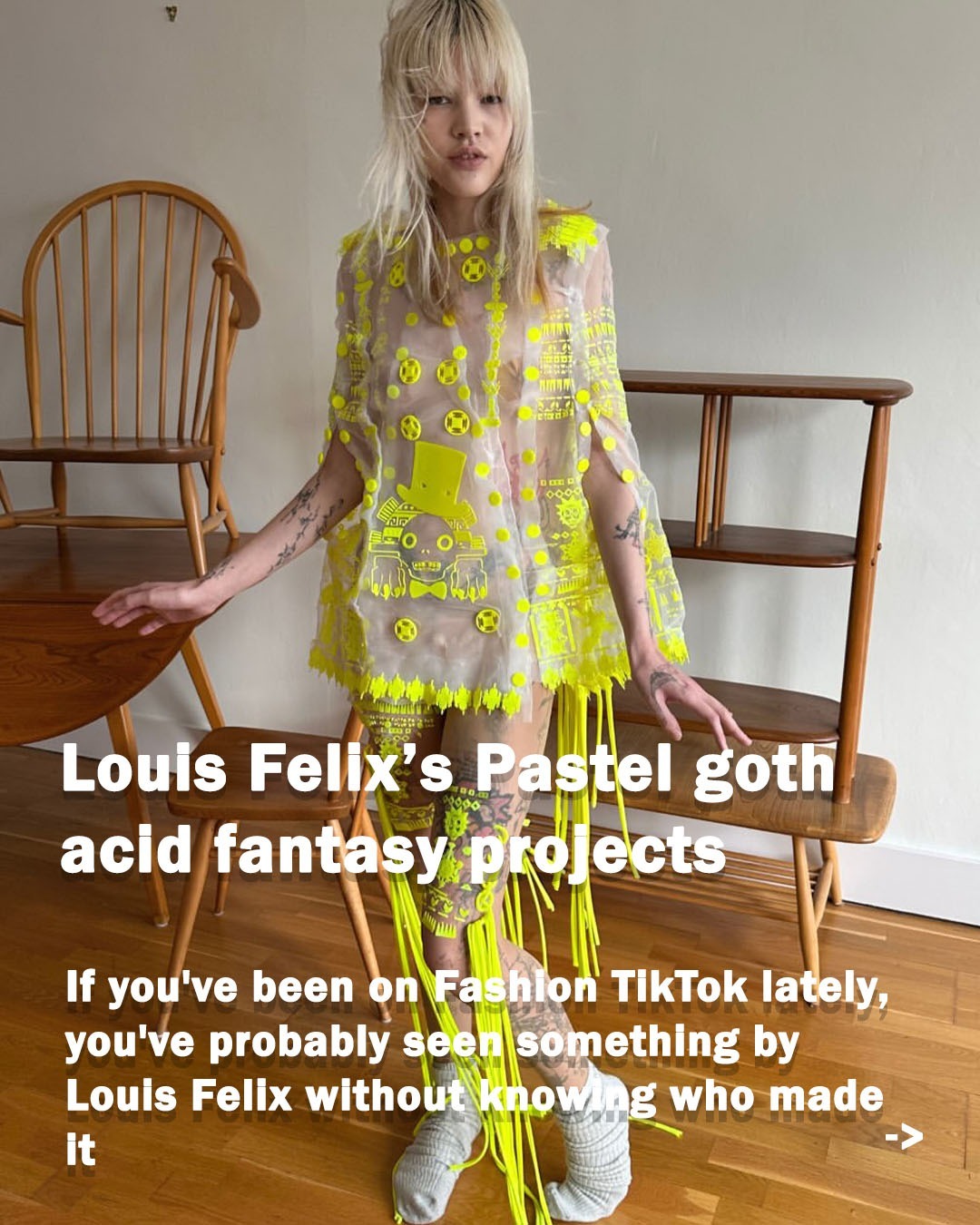
Neon latex, acid green, tiny gothic details and completely unhinged silhouettes make up a visual world that looks like it was designed for a villain in a hyper-feminine video game. Louis Felix, @l0uisfelix, is building acid-fuelled fantasy, and their projects have the kind of immediate visual impact that makes people stop scrolling
You see the colour first, then the latex, and then you realise there are about seventeen more things happening. His pieces are loud from a distance but reward a closer look, with strange constructions, hardware, cutouts, sculptural elements and unexpected finishing that keep revealing themselves the longer you stare. .
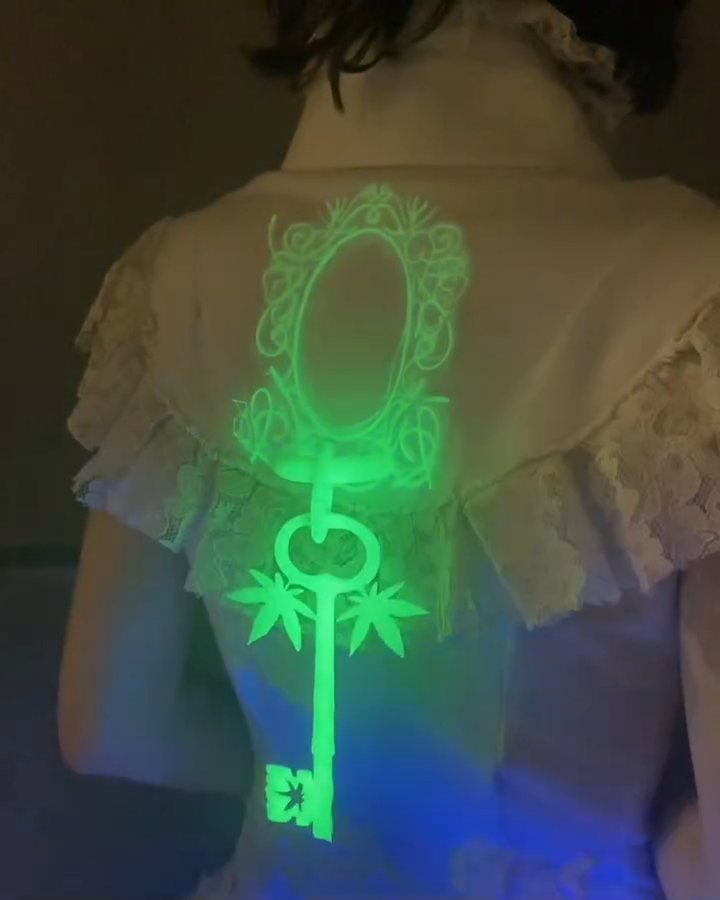
The colours are especially good because Felix takes the darker codes we usually associate with goth fashion and throws them into a completely different universe. Pastel pink sits alongside fetish-inspired construction, electric green meets gothic detailing, and acid colours appear against silhouettes that feel slightly sinister.
The result is a strange collision between cute and threatening, playful and sexual, artificial and handmade. Latex pushes that contrast even further. Its glossy surface catches light differently from ordinary fabric, making familiar shapes feel more extreme and giving the clothes an almost synthetic quality, as though they belong to an alternate version of fashion where everything has been turned up a few clicks.
Then there is Felix's own description of the world behind the work, which reads almost like the plot of a civilisation that has completely lost the plot:
“Watching Rick and Morty on a broken laptop. Walking barefoot in grass that hasn’t been this green since 300 BC. Defending Machu Picchu from zombies. It absorbed the energy from the nuclear bombs. A neon Nazca line in the sand.”
Suddenly, the clothes make a little more sense, or perhaps they make even less sense, which is exactly what makes the description work. Felix's fantasy feels post-apocalyptic without becoming bleak. It imagines a world where ancient ruins, nuclear destruction, cartoons, acid colours and synthetic materials somehow coexist, and where the absurdity of everything becomes its own kind of aesthetic language.
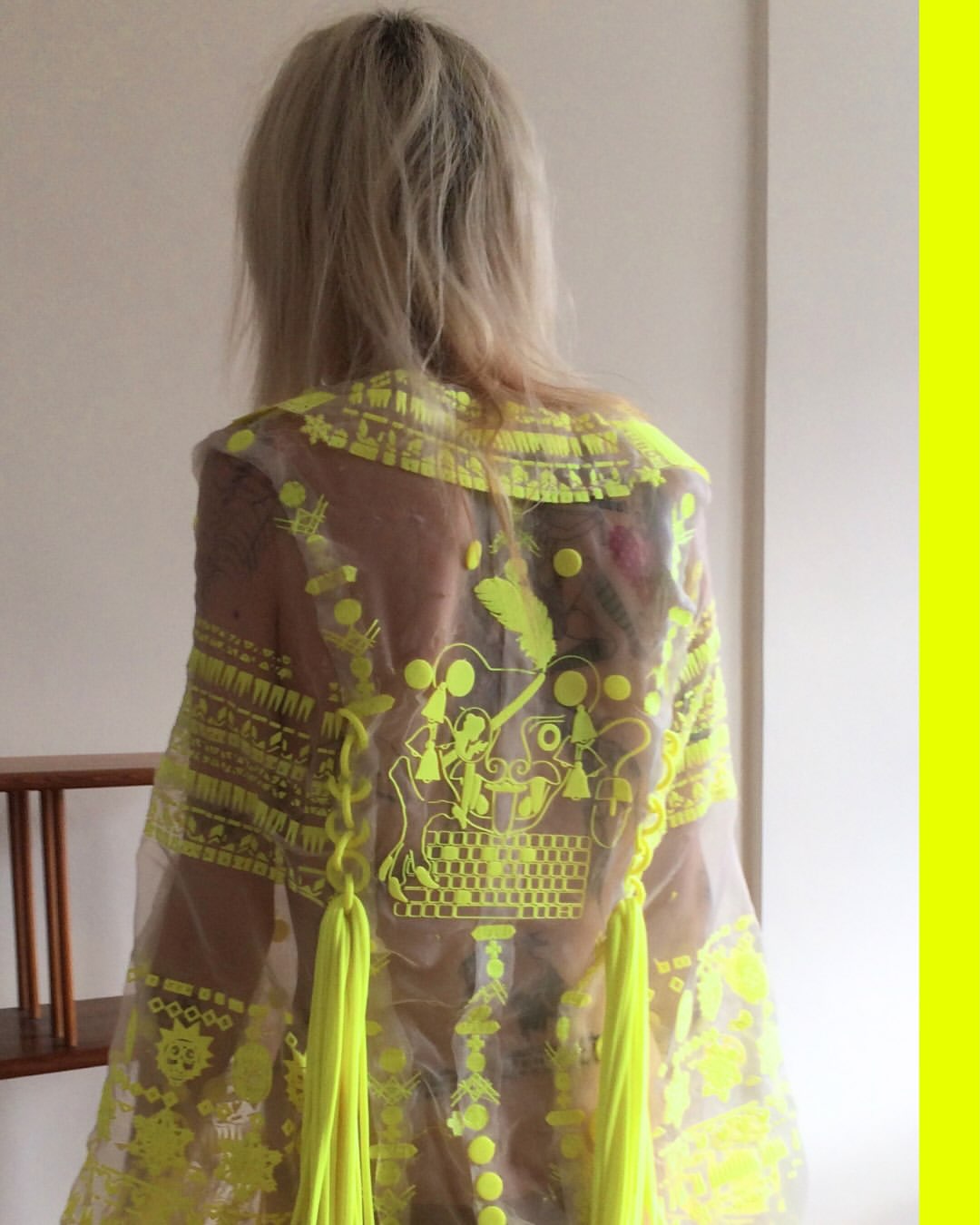
That is probably why the work feels so refreshing. You can't reduce it to simply goth, fetish or cyber fashion because those references are only ingredients in something much stranger. A latex garment can feel threatening and adorable at the same time, while something overtly fetishistic can also become almost completely cartoonish. Felix's final line makes the whole thing even more interesting: “Perhaps there is hope for joy after we destroy ourselves.” The fantasy isn't really about escaping a collapsing world. It is about imagining what could still be playful after everything has already gone wrong.
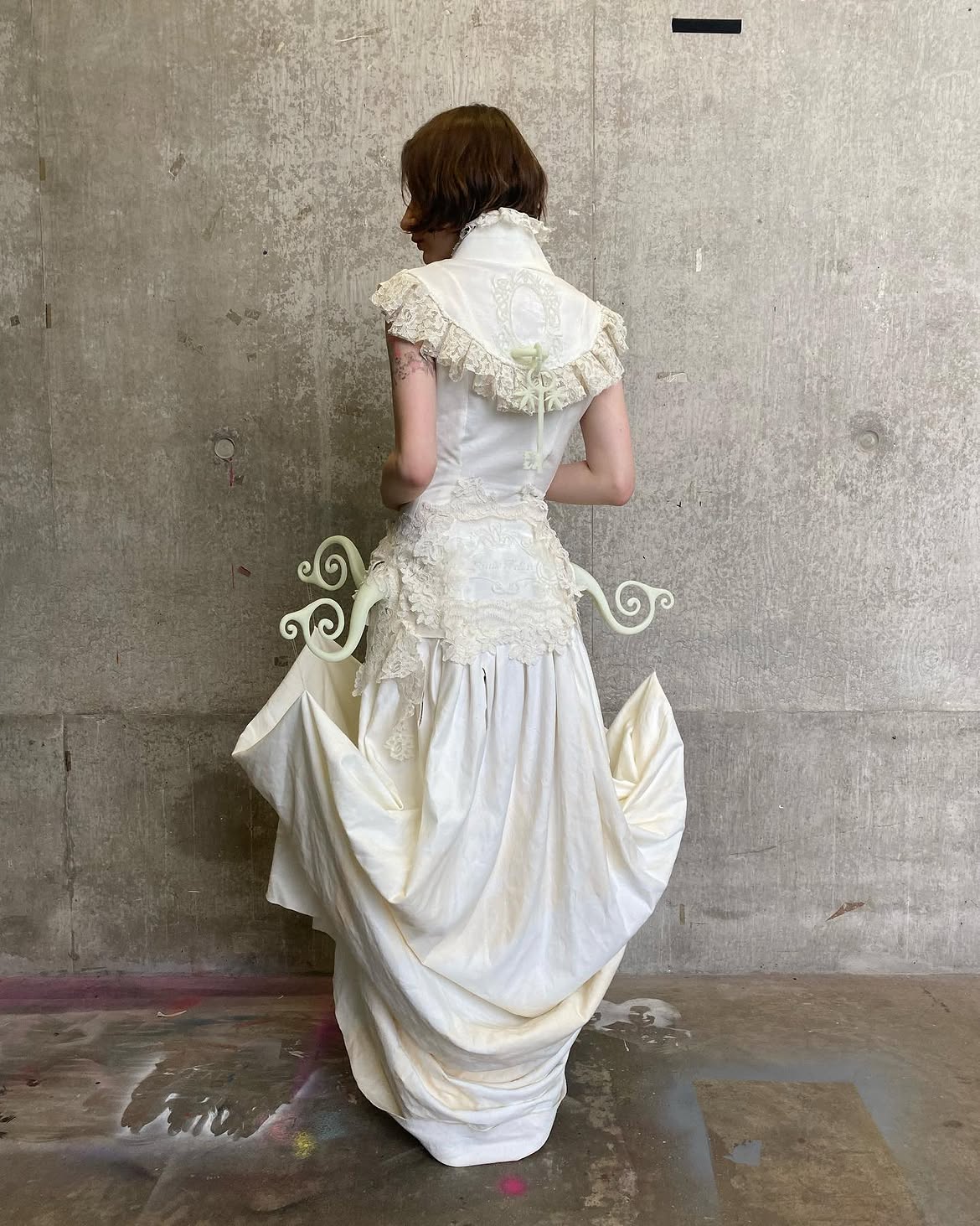
You don't quite understand the world they have created at first, but there is enough there to make you look again and start building the logic yourself.