Bryn Hazen's Acessories
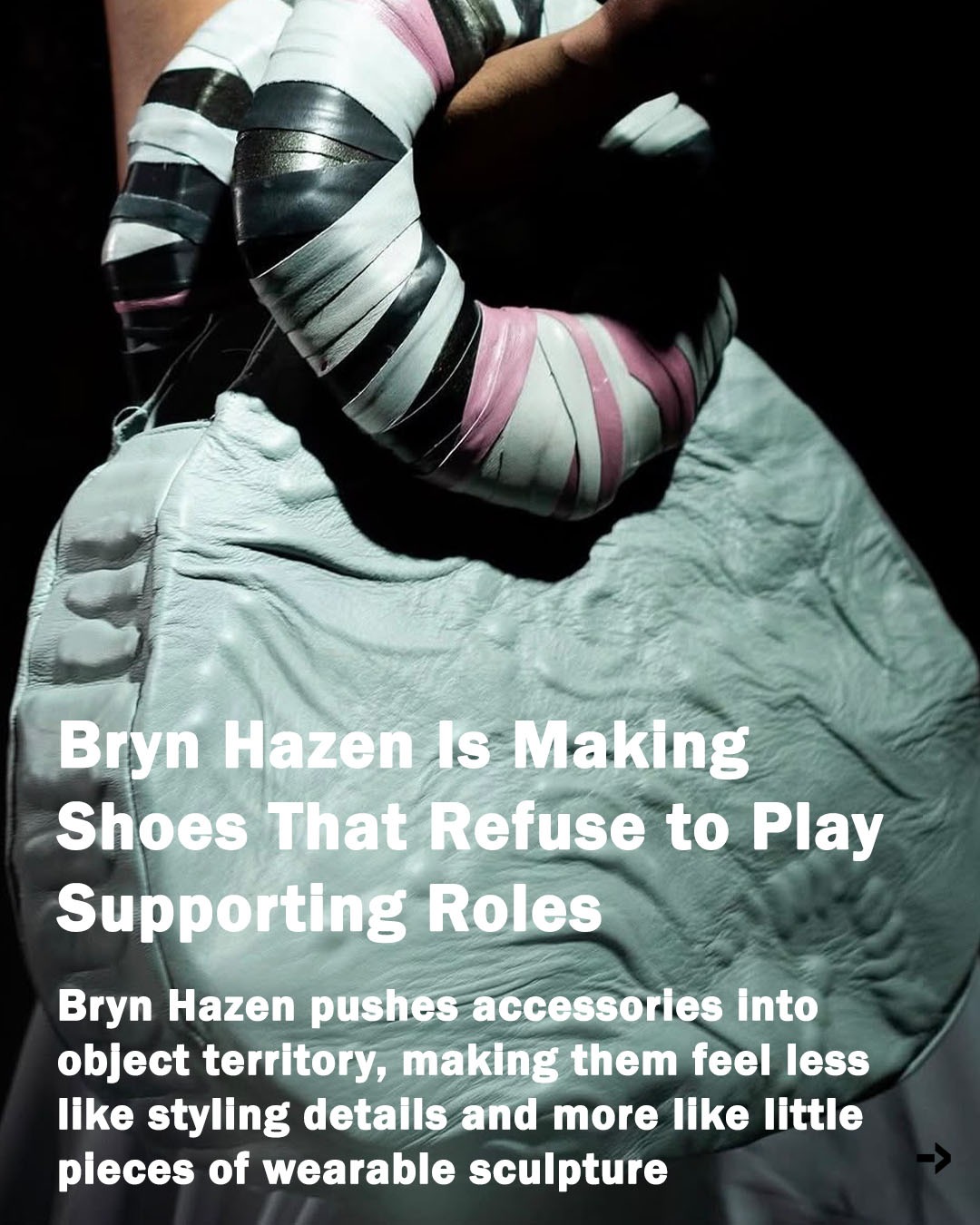
Bryn Hazen pushes shoes and accessories into object territory, making them feel less like styling details and more like little pieces of wearable sculpture.
There is something particularly exciting about looking at a graduate fashion collection through its accessories. Clothes can establish a silhouette, a mood, even an entire world, but shoes and bags are often where a young designer reveals how they actually think.
Hazen has been part of CCS’s fashion program and has shown work through the school’s annual runway presentations, where students work across apparel and accessories while combining traditional craftsmanship with more experimental fabrication.
In 2026, CCS’s Future Fantastic show brought together more than 100 looks from junior and senior designers, with Hazen among the junior designers. But it is the accessories that make Hazen’s work particularly worth stopping for. Their Echo shoe has the strange quality that the best fashion objects tend to have: it is recognisable as a shoe, but it doesn't feel like it was designed simply to be worn. It feels closer to an object that has been given a function.
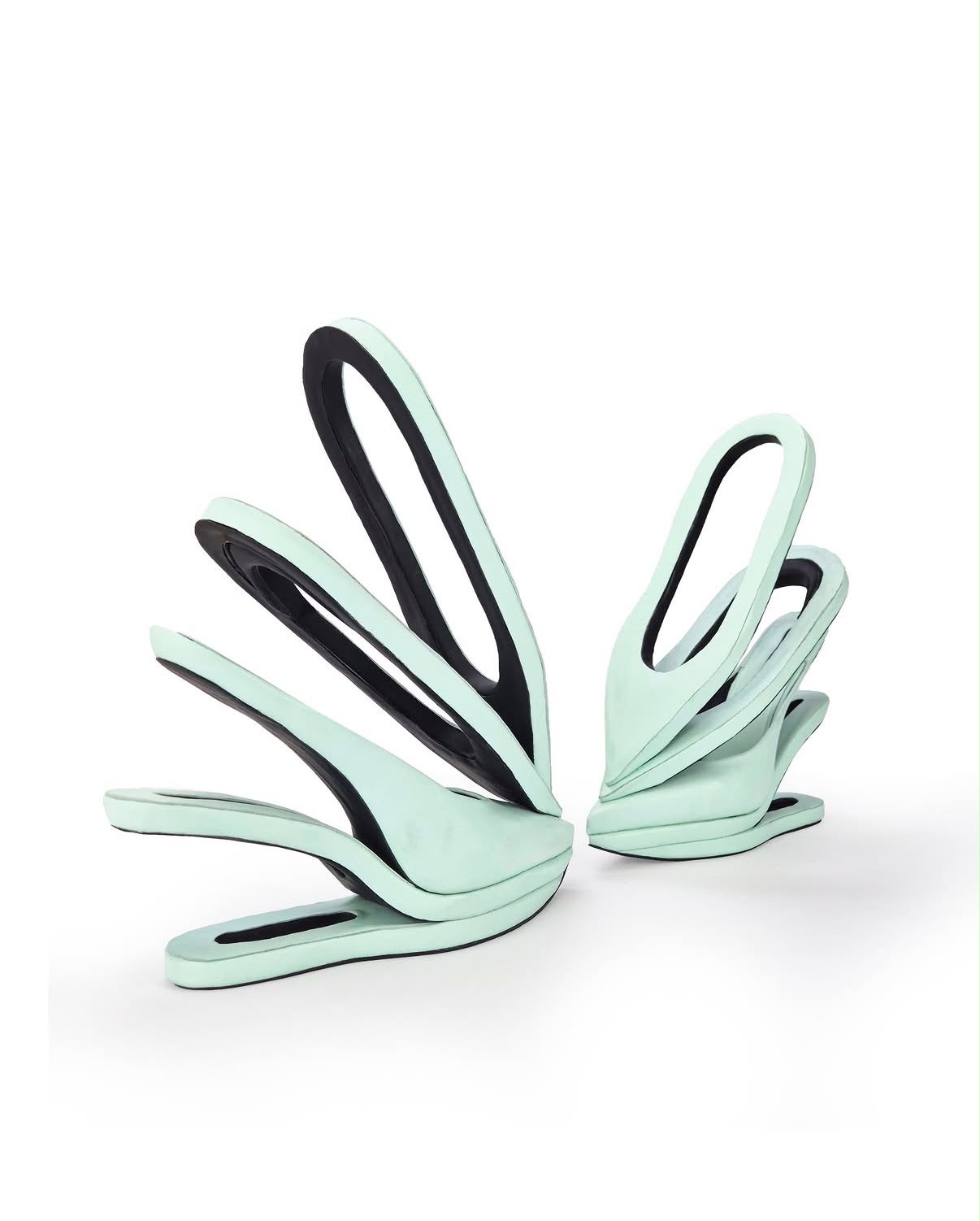
There is a growing appetite among emerging designers for accessories that refuse to sit quietly underneath the clothes. The shoe is no longer simply there to complete the look; it can become the architectural element around which the entire silhouette is built. Hazen's work sits comfortably within that movement, treating footwear as a space for experimentation rather than an afterthought.
The fact that Echo has been picked up by the Virtual Shoe Museum is telling. The museum, which has been collecting and exhibiting unusual footwear since its founding in 2004, lists Hazen's Echo among its recent acquisitions alongside work from other contemporary shoe designers. And perhaps that is the most interesting thing about a graduate collection: you can often see the designer figuring out where fashion ends and object design begins.
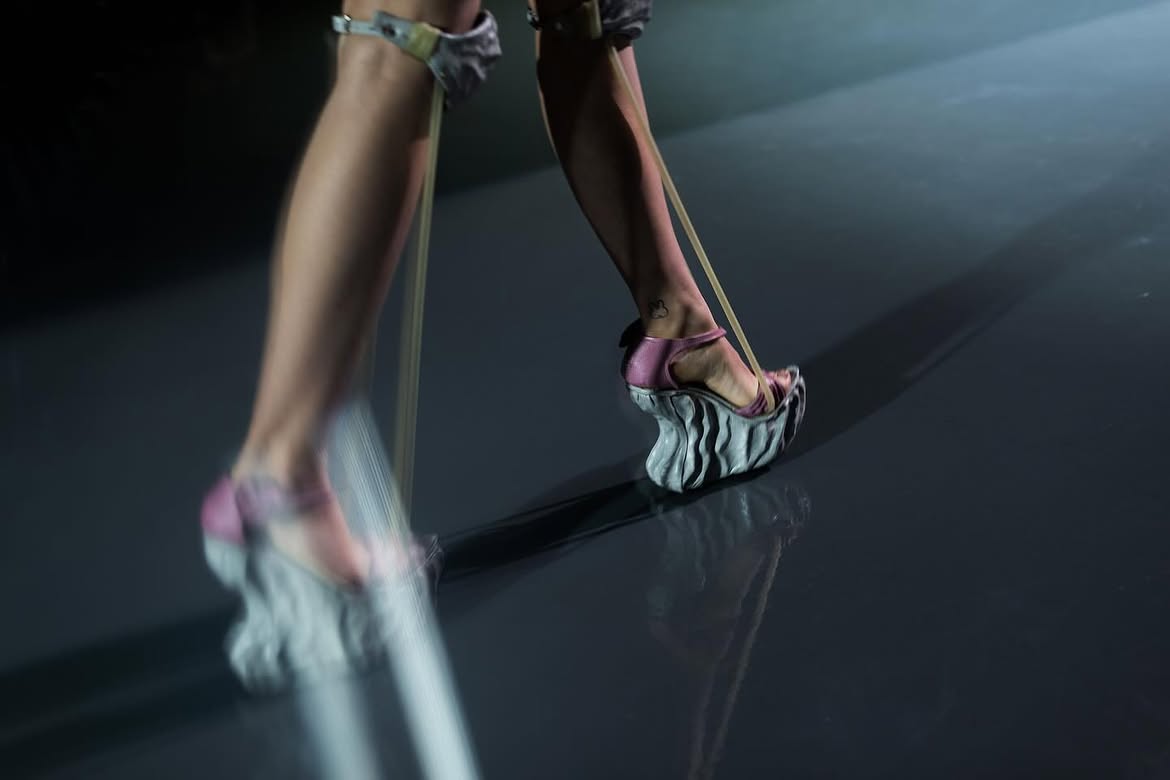
At CCS, that distinction is especially blurred. The school describes its fashion department as encompassing both apparel and accessories, with students encouraged to work through material, construction and fabrication rather than treating accessories as secondary pieces. Its runway presentations have included everything from handmade shoes and bags to highly technical constructions and 3D-printed footwear. Hazen's work feels part of that larger Detroit design environment, one where fashion can be experimental, sculptural and slightly strange without needing to apologize for it.
.jpg)
Which that is exactly what you want from a graduate collection.
The best student work doesn't necessarily look like a finished commercial brand. It gives you clues. A silhouette here, a material there, one completely bizarre shoe that you cannot stop looking at. You start wondering what happens when that designer has another five years of access to workshops, better materials, more money and fewer academic restrictions.
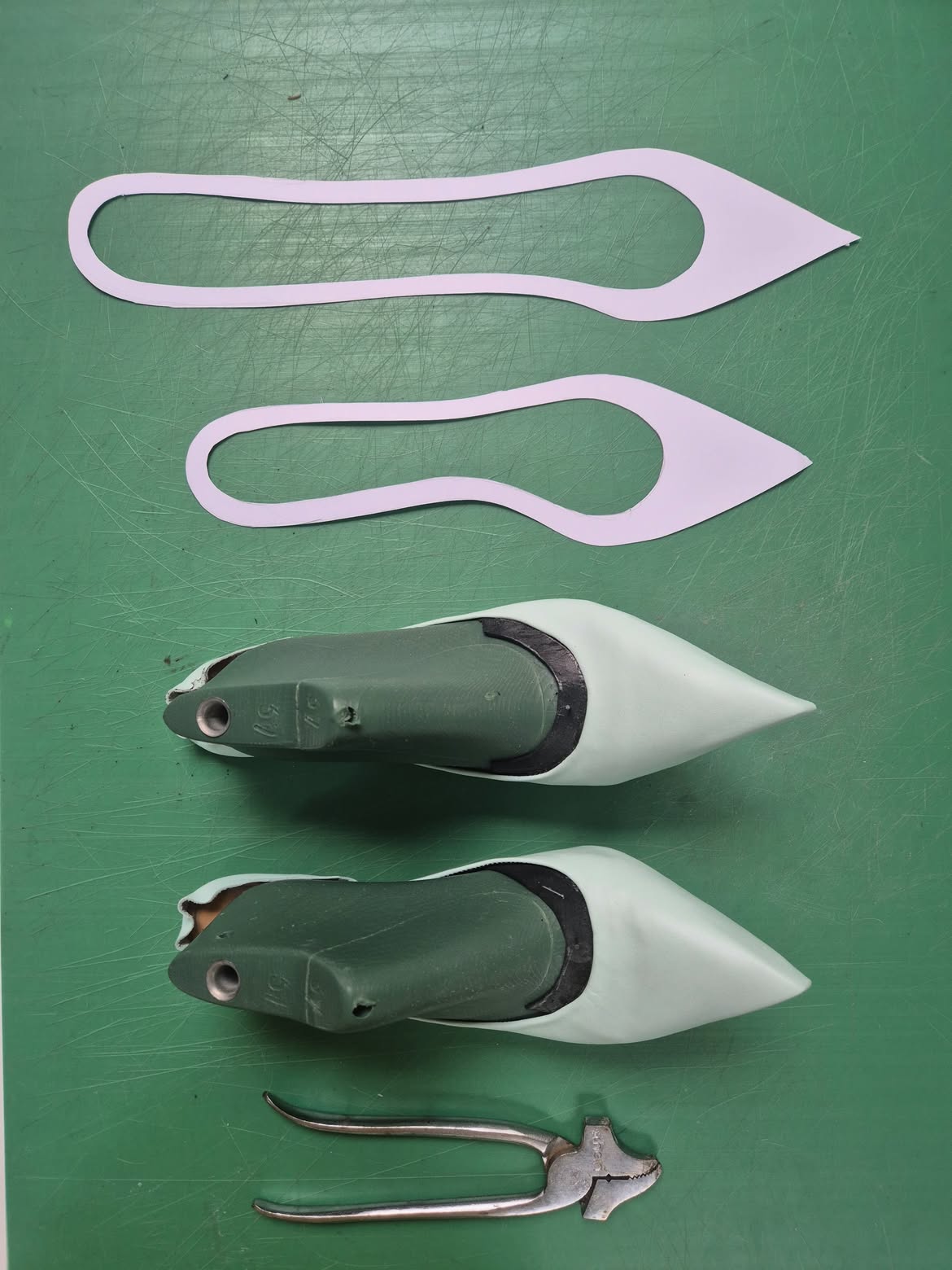
You aren't just looking at what someone has made. You're looking at the beginnings of a design language.