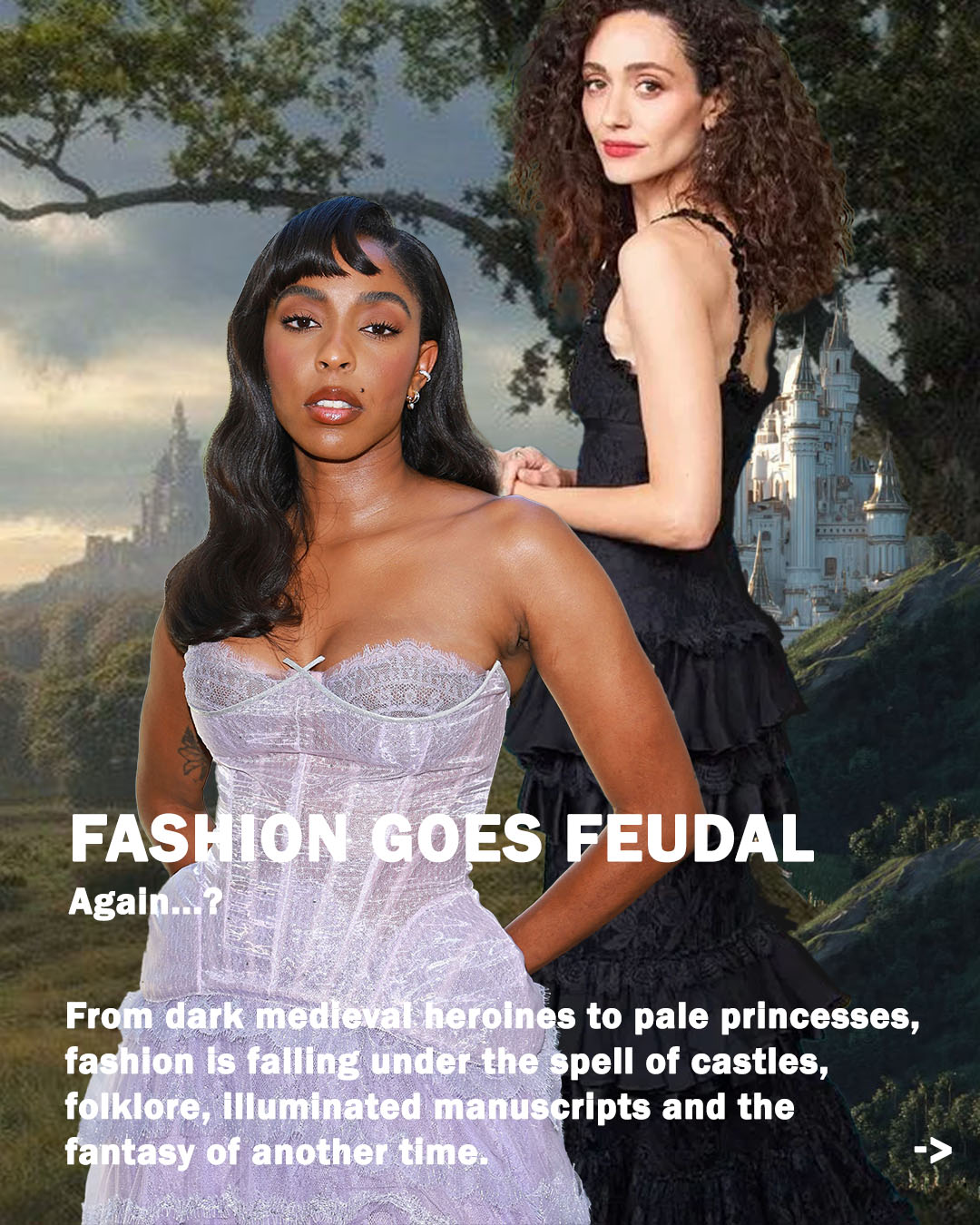
Fashion Goes Feudal
Why now, and why again?
It is tempting to explain fashion's medieval turn simply as escapism. There is certainly something to that. Fashion's Light and Dark Feudal Fantasy has emerged alongside a broader cultural appetite for fantasy and historical worlds, with pale princess silhouettes, dark romanticism, corsetry, veils, elongated sleeves and almost architectural details appearing across our feeds, runways and wardrobes.
But what is actually happening?

Perhaps the appeal is less about literally wanting to return to the Middle Ages and more about wanting clothing to feel less ordinary. Medieval and feudal imagery gives fashion a vocabulary of hierarchy, ceremony and character that contemporary clothes often lack. A veil can make someone look like a princess or a saint; armour can turn a simple silhouette into something almost mythical.
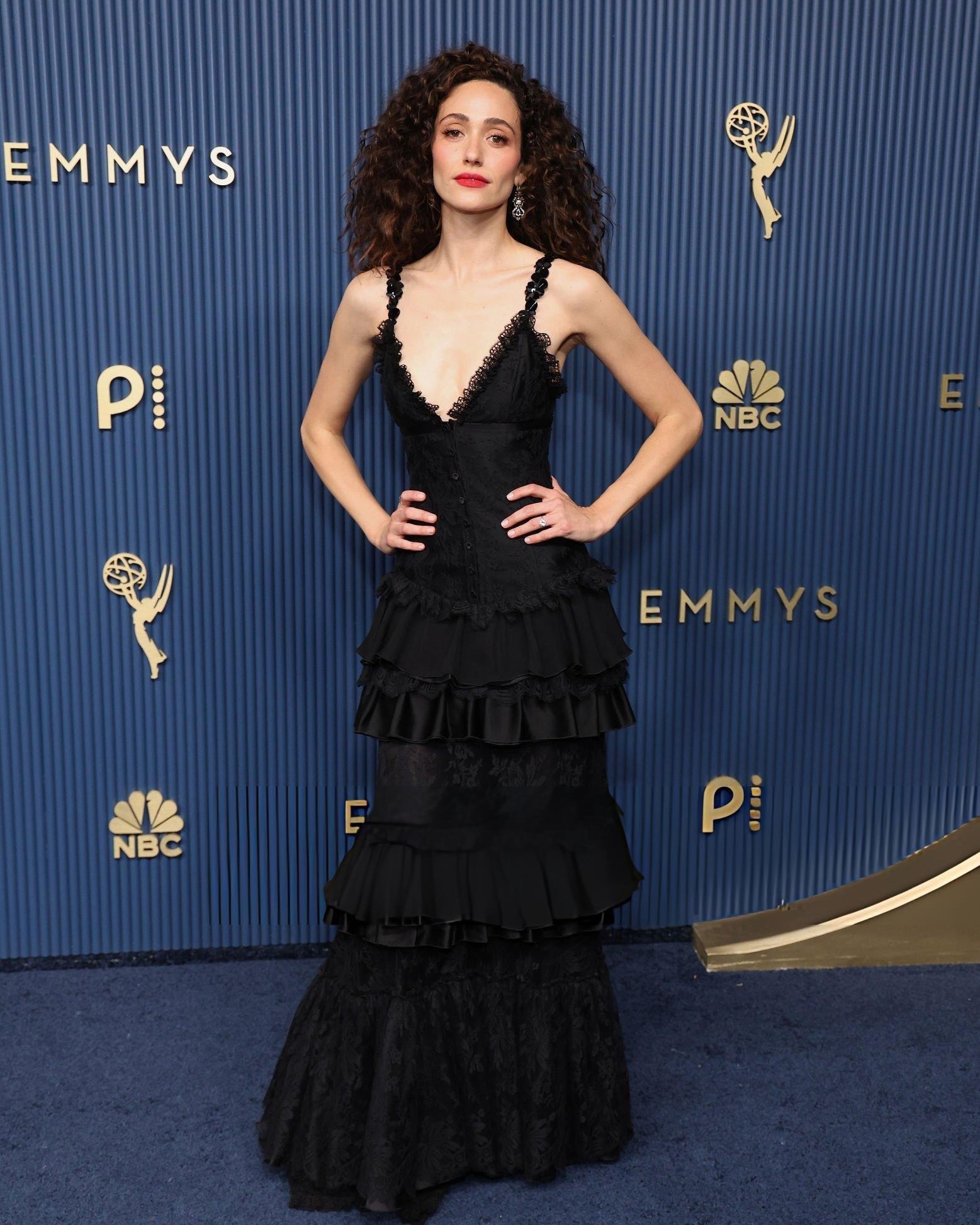
The interesting part is that Light and Dark Fantasy are increasingly appearing together. One imagines the idealised medieval world of pale fabrics, romance and courtly femininity, while the other leans into leather, armour, gothic details and darker historical references. They seem opposite, but they share the same desire to turn the wearer into a character rather than simply another person in contemporary clothes.
There is also something very Instagram-friendly about it. These silhouettes borrow from medieval paintings, illuminated manuscripts and fantasy illustrations, creating images that feel almost drawn rather than photographed. In a feed saturated with familiar fashion imagery, that kind of visual world-building stands out.
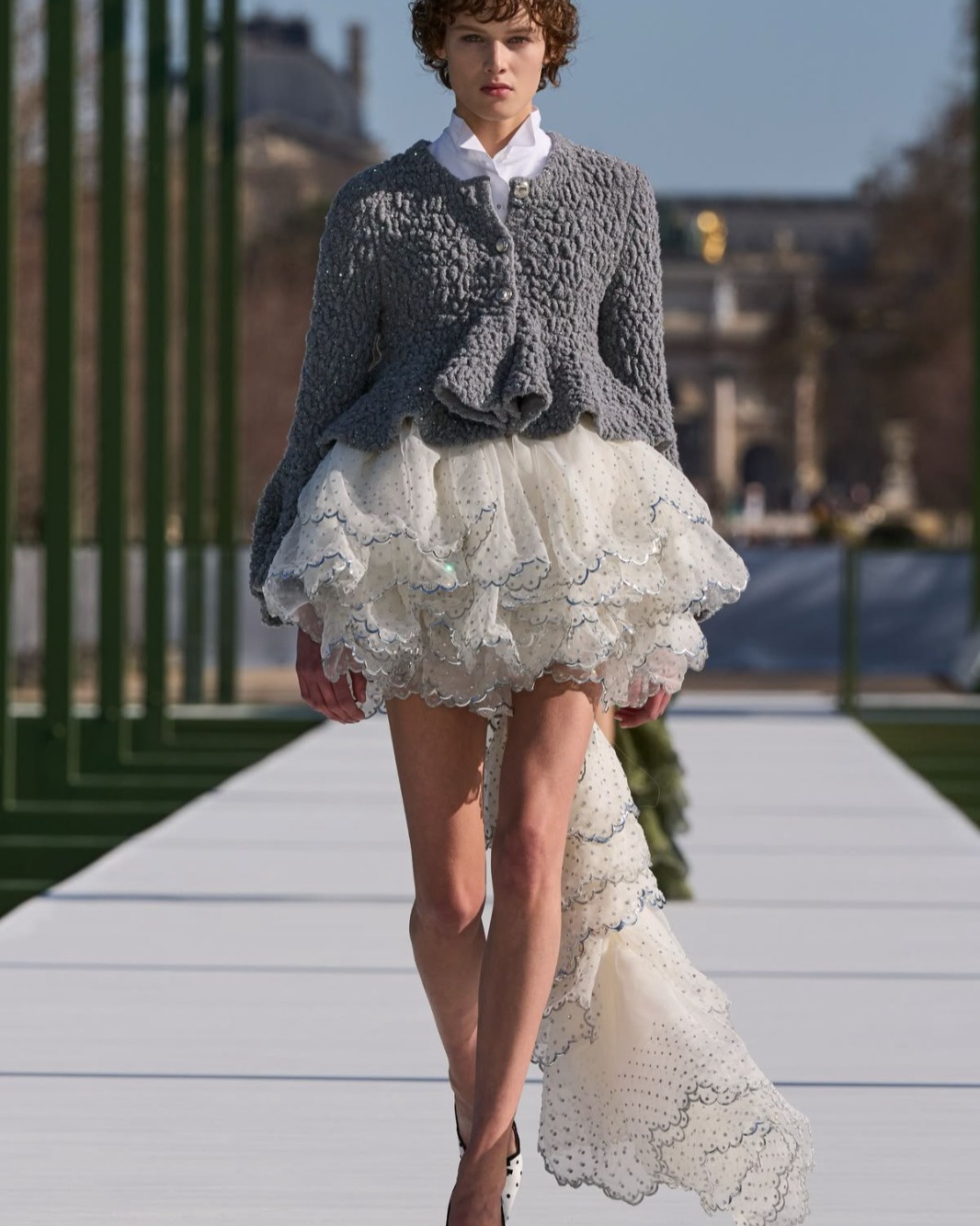
So maybe fashion is not simply escaping into the past. It is borrowing from a world where clothing had an obvious symbolic language, then rebuilding it for the present.