Hair Revival: The Return of the Uncomfortable
Hair is having a strange moment across runways, imagery, and the wider visual culture.
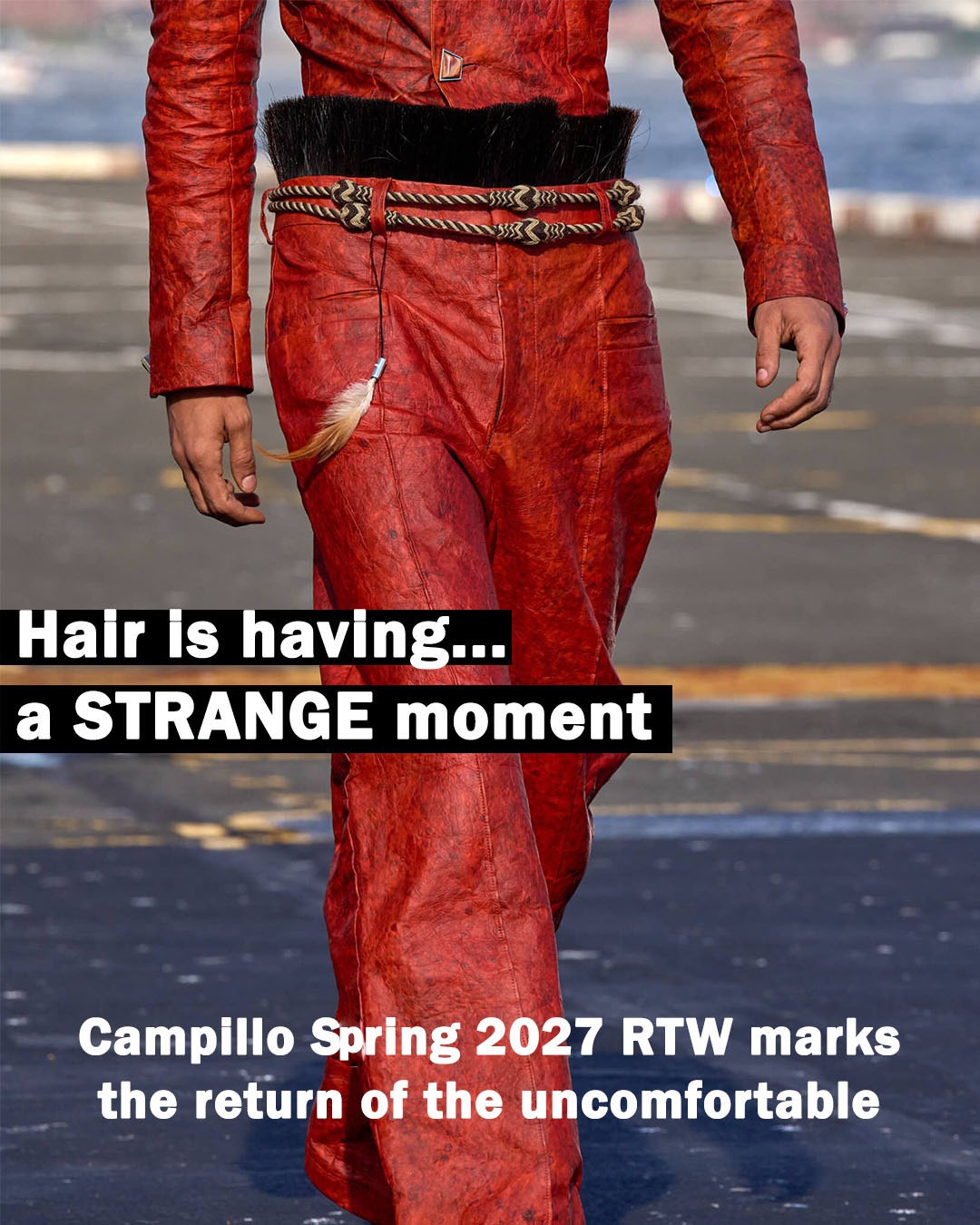
Hair is having a strange moment. Across recent runways and fashion imagery, hair-like textures have begun appearing not simply as something attached to the body, but as a design feature in themselves: woven into garments, mimicked through synthetic materials, exaggerated into sculptural surfaces, or placed in unexpected areas of the silhouette. What is usually groomed, removed, concealed, or controlled is suddenly being brought to the spotlight.
It feels like flirting with the uncomfortable.
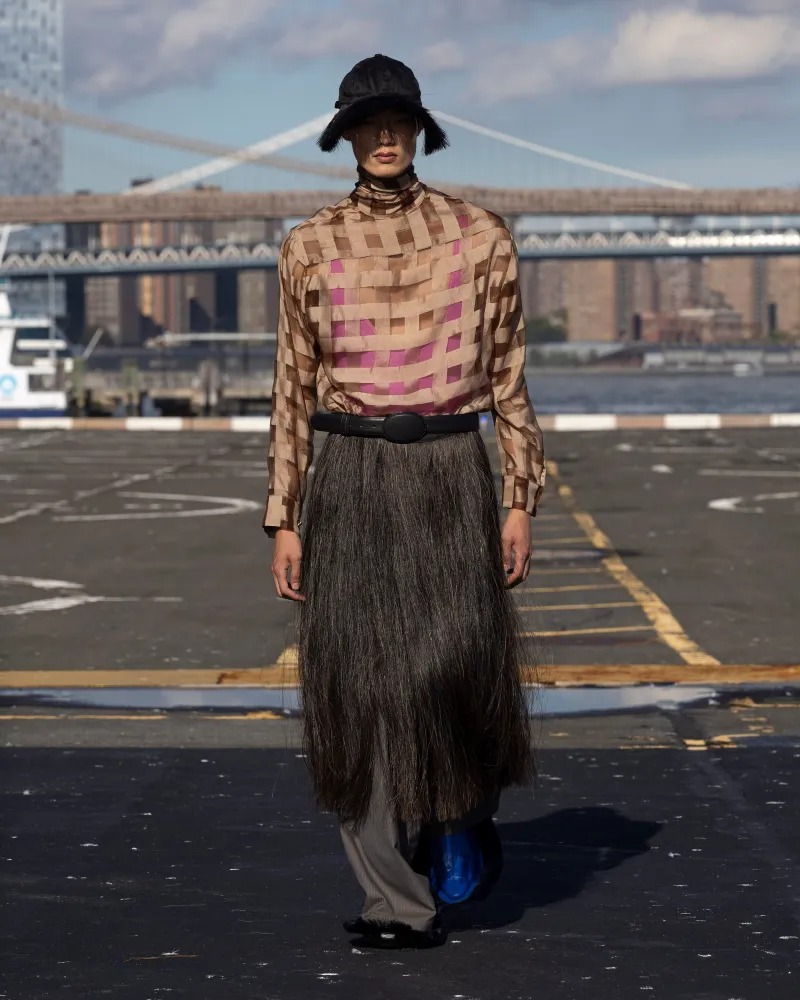
Fashion has always had a complicated relationship with the body. It celebrates it while simultaneously disciplining it: smoothing, shaping, tightening, lengthening, exposing, concealing. Hair sits awkwardly within this relationship because it occupies an unstable space between the natural and the socially unacceptable. On the head, it can be luxurious, glamorous, even erotic. Anywhere else it’s rarely accepted.
So why are designers returning to it now?
Perhaps it is partly an obsession with the raw visual of the body. After years of hyper-polished fashion imagery, digitally perfected faces, immaculate skin, and increasingly synthetic aesthetics, there is something provocative about reintroducing the evidence of the physical body. Hair reminds us that beneath the styling, the filters, and the constructed image, there is something biological. Something slightly uncontrollable.
But perhaps the answer lies outside fashion itself.
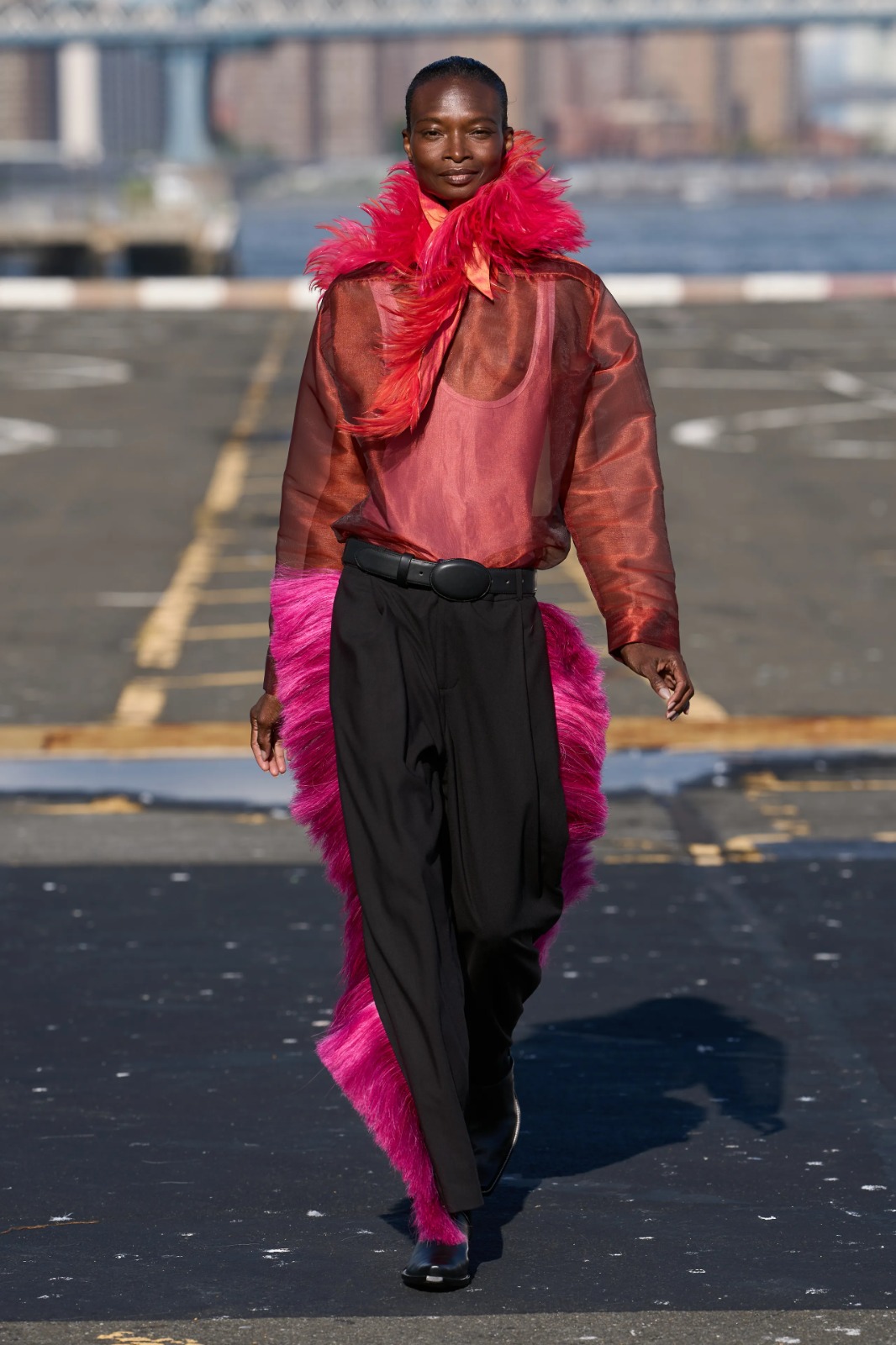
Our media environment has become increasingly comfortable with the strange. Algorithms reward the unusual, the grotesque, the oddly satisfying and the visually confusing. Images compete for attention by becoming more extreme, more specific, more difficult to scroll past. What once felt shocking can quickly become familiar. In such an environment, designers may be responding to a culture that has developed a higher tolerance, even an appetite, for visual discomfort.
There is also the possibility that the aesthetic bubble has burst.
For years, fashion and culture have been flooded with highly recognizable visual languages: quiet luxury, minimalism, clean girl beauty, hyper-feminine nostalgia, polished streetwear, carefully curated interiors and endlessly repeated micro-trends. When every aesthetic has already been named, packaged and reproduced, looking “beautiful” is no longer interesting enough.
Ugly becomes interesting and strange becomes desirable. Discomfort becomes a way to chase originality.
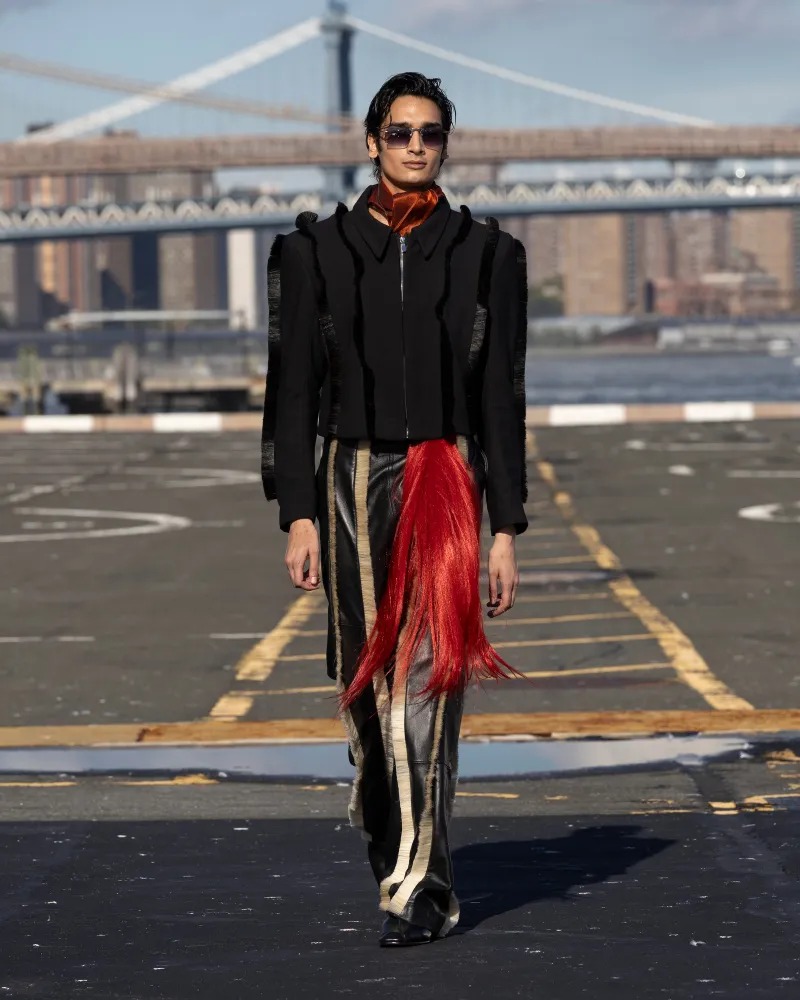
Hair-like textures are particularly effective because they sit right on this boundary. They can be beautiful from a distance and unsettling up close. They imitate something familiar without necessarily behaving like it.
The contemporary runway increasingly seems less interested in simply producing clothes that look good and more interested in producing images that stay in your head. In an attention economy, discomfort can be memorable in a way that conventional beauty is not.
The revival of hair, then, may not really be about hair at all.
It could be about our growing fascination with everything that sits outside the polished surface: the imperfect, the excessive, the uncanny. After an era obsessed with making the body look edited, controlled and aesthetically coherent, perhaps fashion is once again interested in what happens when the body refuses to behave.
Maybe the uncomfortable has become the new beautiful precisely because it reminds us that beauty was never as clean as we wanted it to be.