Millennial Optimism: 2012–2016
A moment when the future still felt open, hopeful, and just within reach.
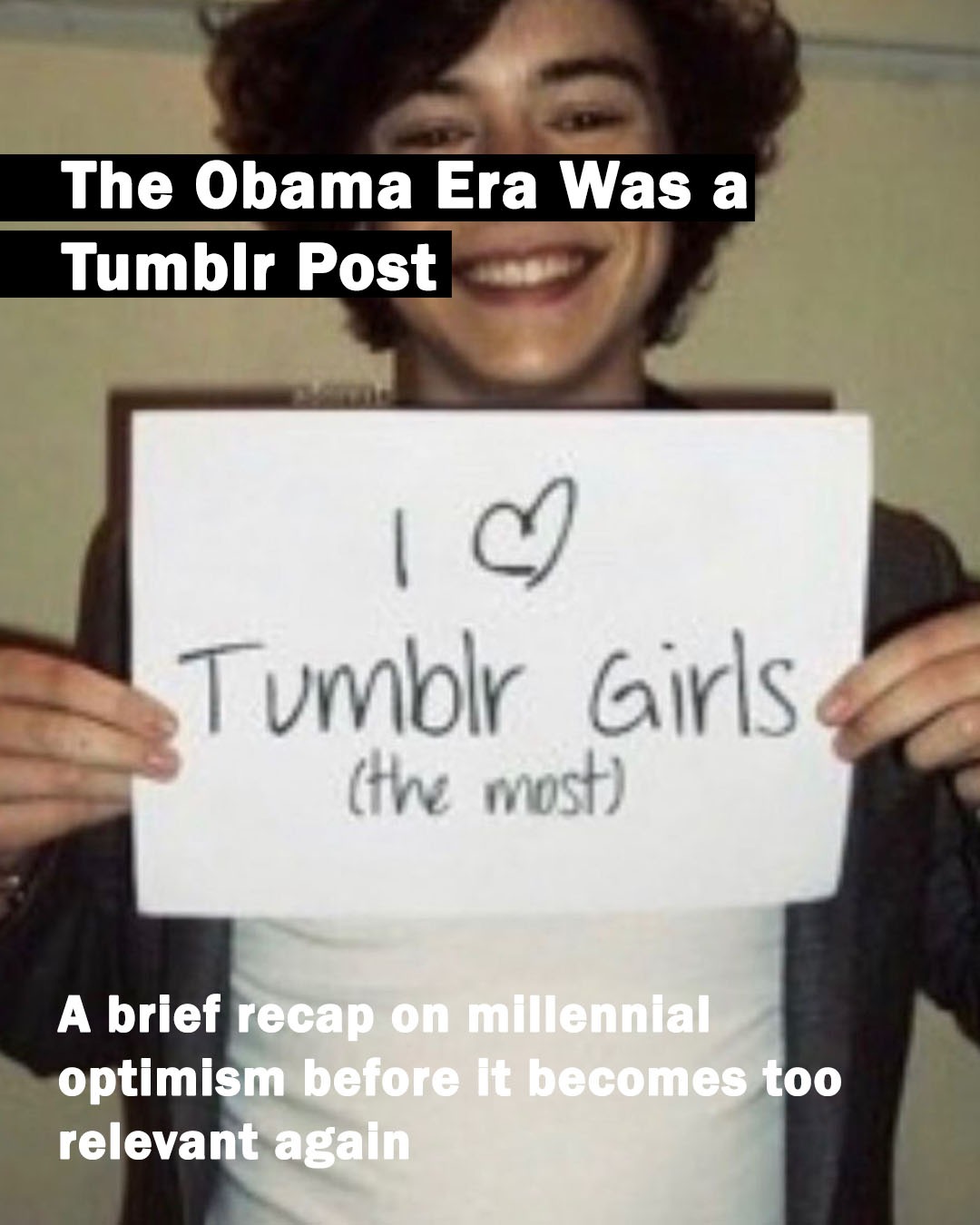
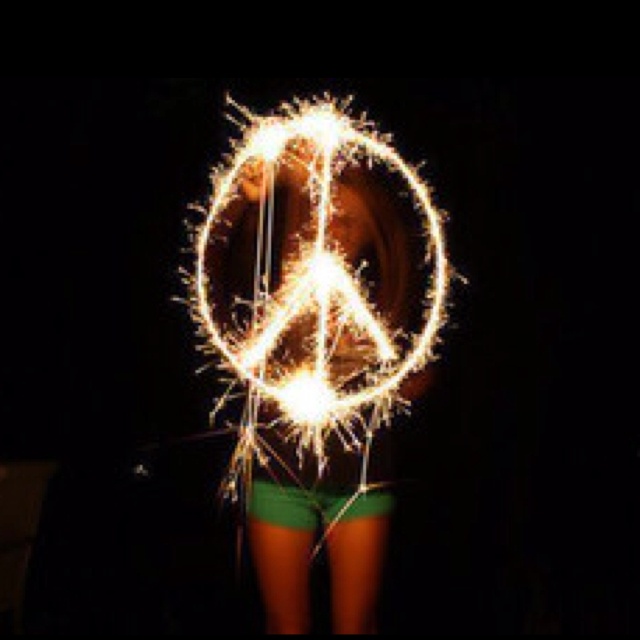
There was a time when the future still felt full of hope. Between 2012 and 2016, progress seemed almost inevitable. Obama represented a new, progressive direction; Tumblr gave young people a space for idealism, self-expression, and community; peace signs and anti-war protests carried the belief that change was possible. Technology was moving quickly, and there was still a sense that it would make life better. Social media had yet to reveal its darker side.
It was an optimistic kind of naivety; the feeling that the world was becmargoming more connected, more progressive, and more open. The future hadn't happened yet, so there was still room to imagine it.
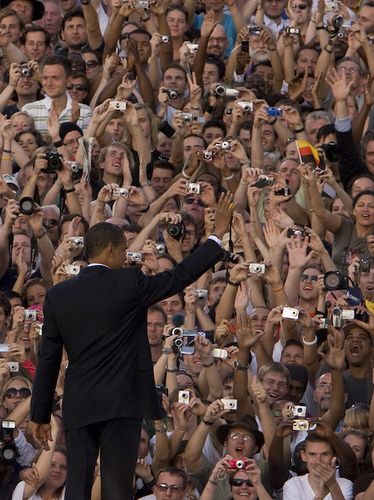
Then came 2016. Trump's election became a defining rupture in that optimism. More importantly, it was around this time that a generation began to become more conscious of the problems surrounding them: political division, climate anxiety, economic uncertainty, and the consequences of an increasingly connected digital world.
The more we understood, the harder it became to believe in inevitable progress.
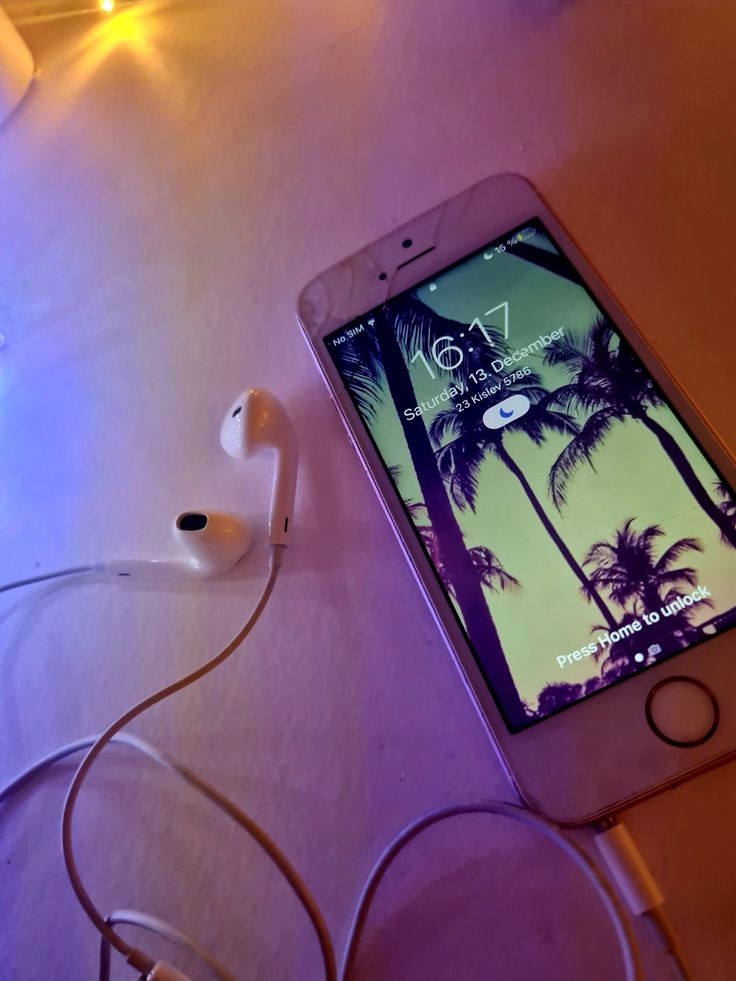
Perhaps that is why the imagery of 2012–2016 feels so nostalgic today. Tumblr aesthetics, peace symbols, early social media, disposable cameras, bright colors, and futuristic technology all belong to a moment when the future had not yet lost its innocence.
Looking back is not necessarily nostalgia for the past. It can be nostalgia for the feeling that the future was going to be better.