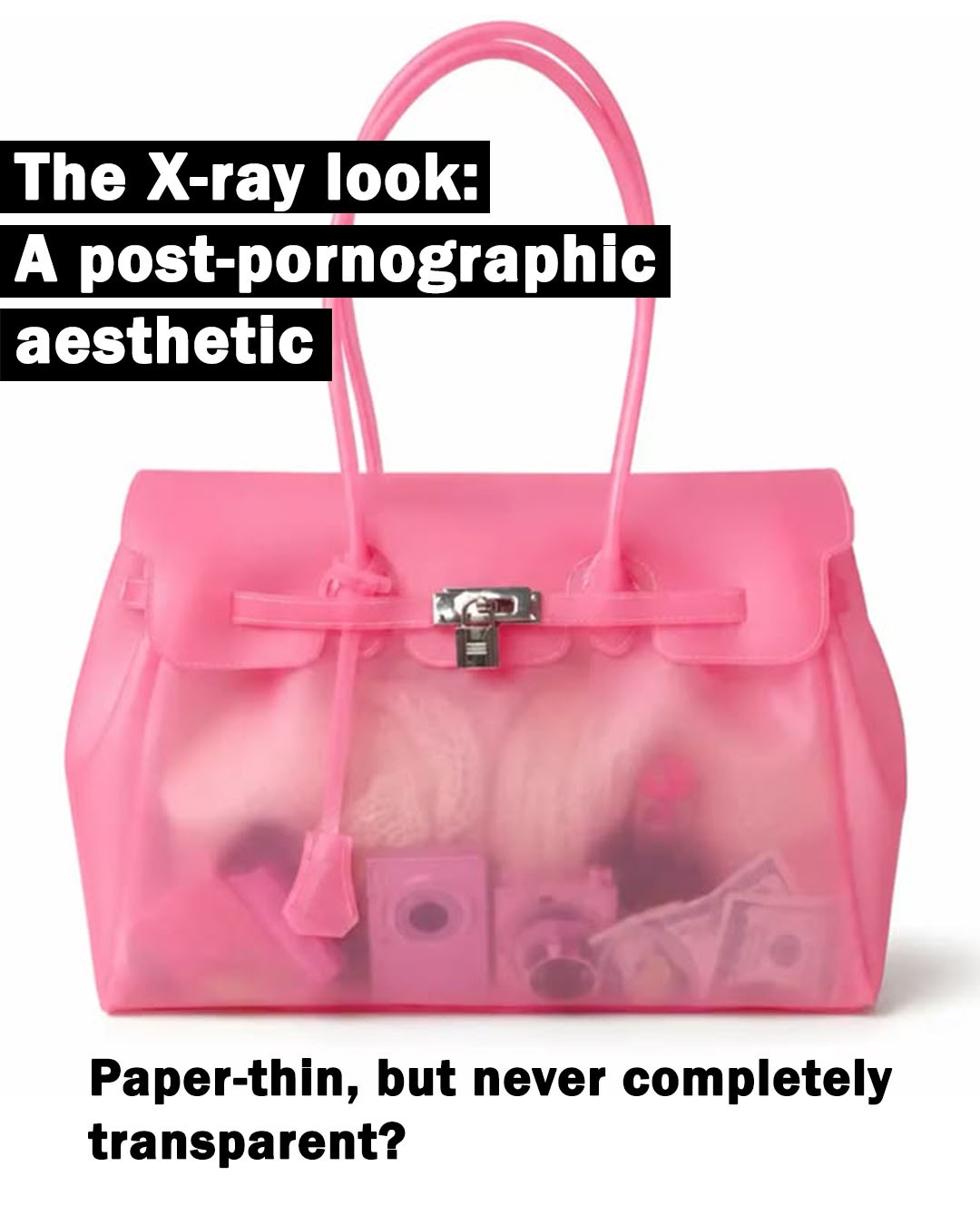
The X-ray look: A post-pornographic aesthetic
A sharp visual language where transparency, exposure, and staging blur old boundaries.
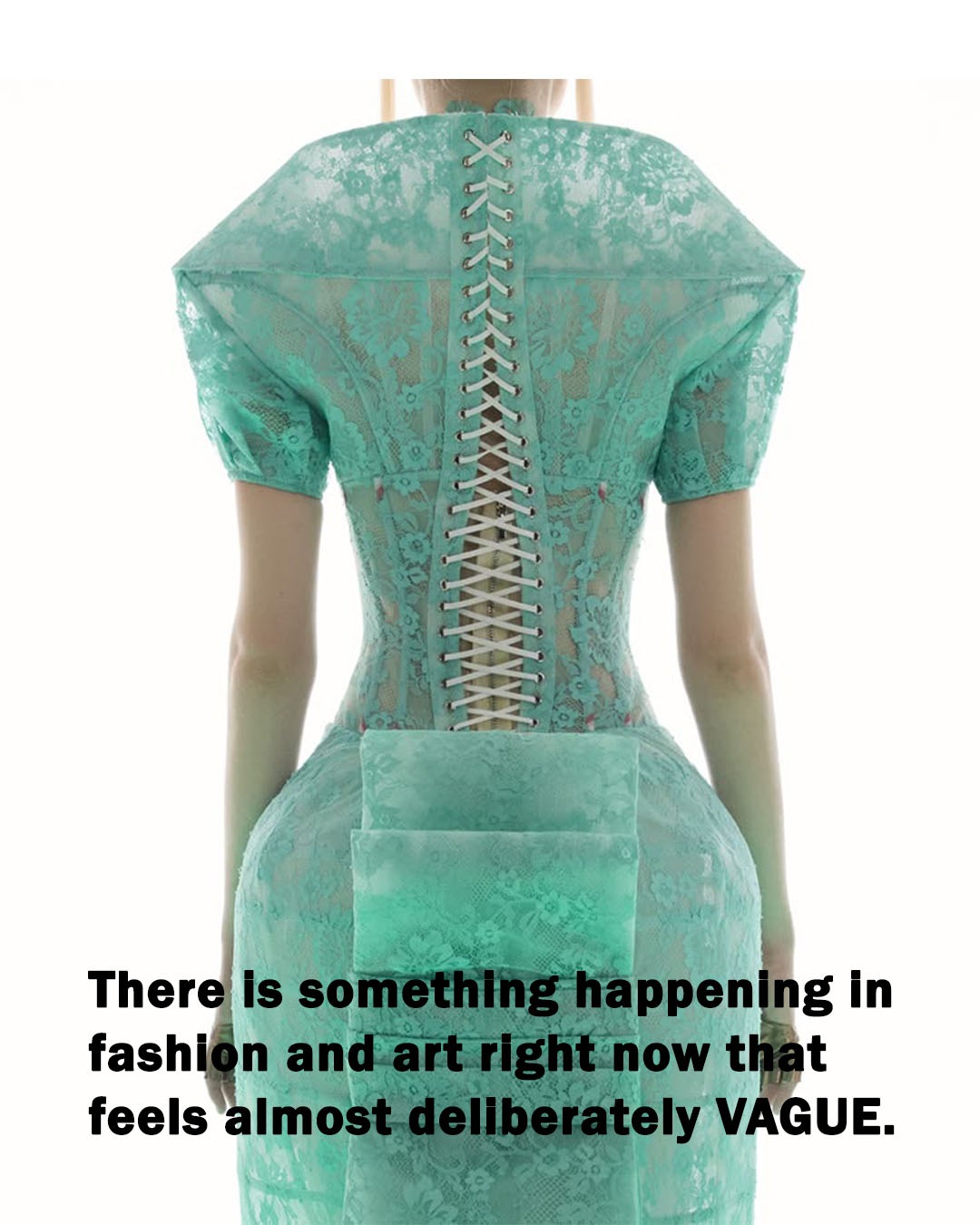
There’s something happening in fashion and art right now that feels almost deliberately vague.
The current interest in paper-thin surfaces begins to feel almost post-pornographic.
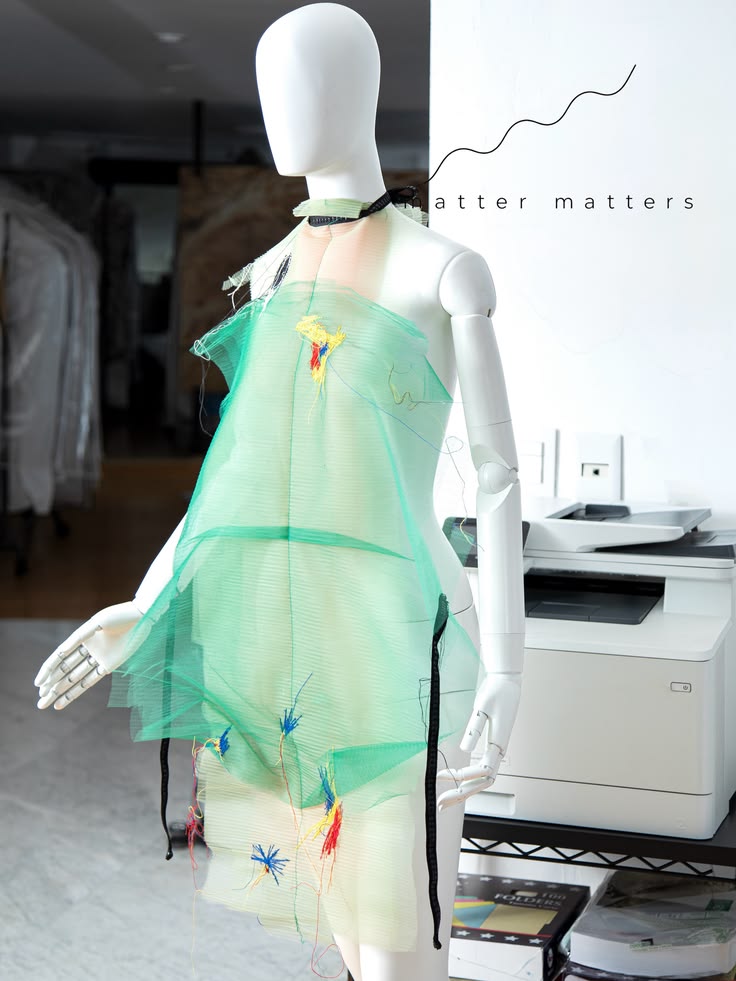
Across the visual language of 2026, paper-thin objects and materials are becoming more and more common: translucent layers, fragile surfaces, thin sheets, membranes, flattened forms, sheer textiles and materials that appear almost weightless. Instead of revealing everything, they invite us to desire more.
Paper-thin, but never completely transparent?
The interesting part is not necessarily the material itself. It is what happens to the image when something stands between the viewer and the thing being viewed.
For the past decade or more, visual culture has been moving toward a total availability of the body. On one end social media and advertising trying to seem as transparent as possible to the point of manufacturing intimacy by showing as much as possible about someone’s body, their life, habits or even ideas. While on the other end we’re still learning how to deal with people’s access to endless amounts of explicit content. But are they really on two opposite ends or just 2 sides of the same coin?
We have become accustomed to seeing everything: every angle, every detail, every surface, in every we consume.
Perhaps, as a consequence, we realized knowing everything, avoiding any mystery, can make it all quite boring.
The subconscious reaction may be showing up as a renewed fascination with the veil, a return to letting fashion enhance the body through mystifying it, rather than exposing or enhancing it.
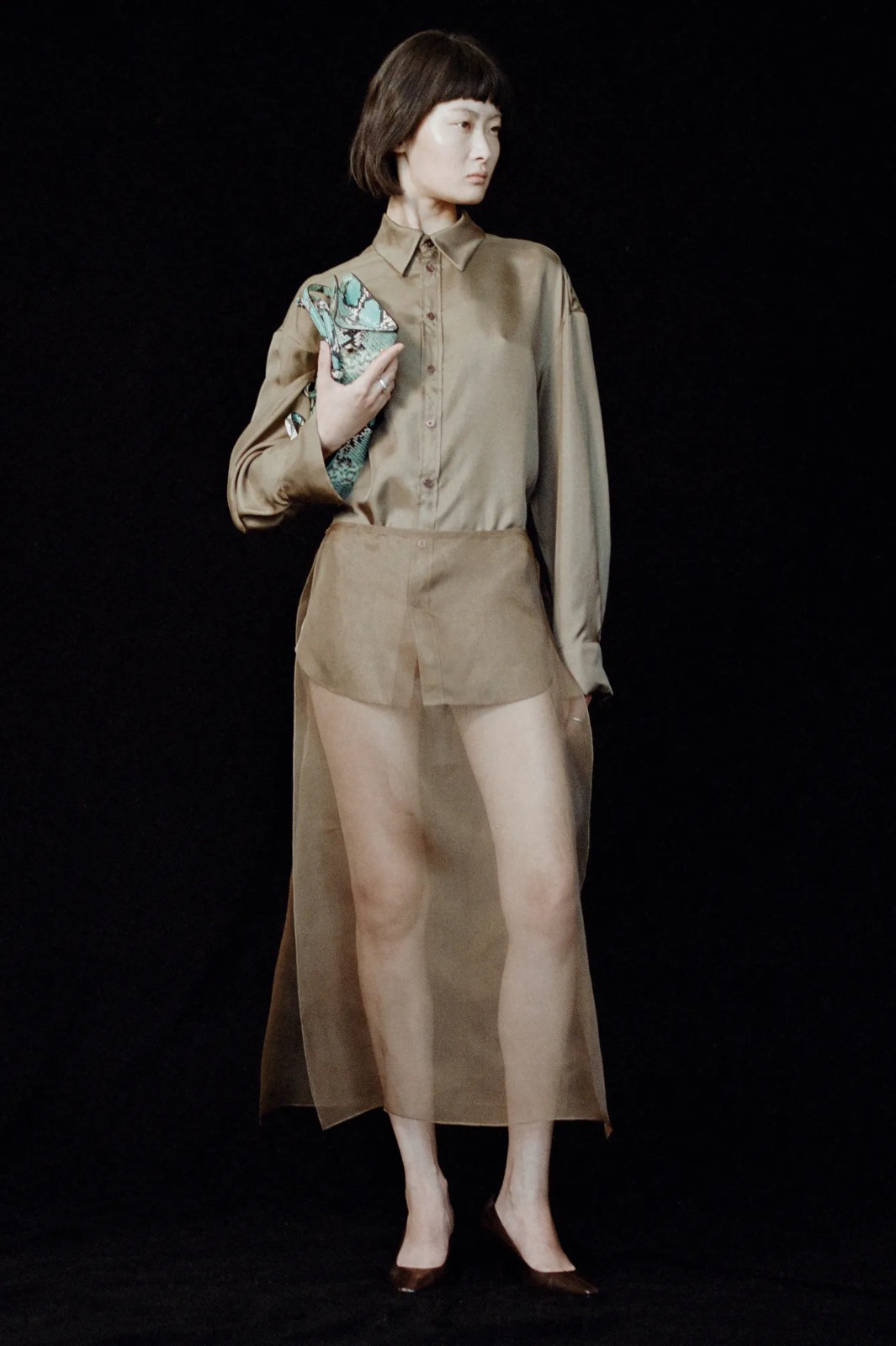
The translucent garment is particularly powerful because it refuses to choose between exposure and concealment. You can see through it, but not clearly. The body exists behind a distortion; softened, fragmented, blurred. The material becomes a filter rather than a barrier.
And suddenly, seeing less makes us care more.
There is something almost inherently sensual about incomplete information. The imagination begins working where the image stops. A silhouette becomes more interesting when its details are uncertain. There’s more room for intimacy when the body is slightly obscured, the viewer is invited to participate. Not necessarily because fashion is rejecting sexuality, but because it may be reacting to a culture that has become oversaturated with explicitness.
Pornography operates through disclosure. It removes the distance between viewer and subject. Everything is available and in your face; so when the eye has been trained to expect complete access, the opposite can become provocative.
Perhaps sensuality is returning precisely because mystery has become scarce. The paper-thin aesthetic embodies this perfectly. It gives us enough information to become curious but not enough to become satisfied. It creates an optical delay between looking and understanding.
We are living through an era of instant recognition. Images are designed to be understood in fractions of a second. Trends are named, identified, replicated and discarded almost immediately. Even fashion increasingly exists within a culture of visual shorthand: you see something, recognise its aesthetic, save it, reproduce it.
Perhaps this is part of a broader exhaustion with the fully explained image.
After years of visual culture becoming sharper, clearer and more explicit, the blurry image begins to feel sophisticated. The obscured object becomes more seductive than the perfectly documented one. Not because we want less information, but because we are rediscovering the pleasure of not knowing.
This may explain why paper-like, membrane-like and almost transparent materials feel so contemporary. They create a physical metaphor for the cultural mood: everything is visible, but very little feels truly accessible.
The new sensuality may therefore have less to do with nudity than with distance. It is about restoring the space between the viewer and the body, leaving room for desire to exist and develop.