THE SUPERFAKE SYNDROME

THE SUPERFAKE SYNDROME: HOW THE NEW SWAG ERA ACCIDENTAL-PROOFED THE REPLICA The luxury ecosystem has officially eaten itself alive. Between $5,000 retail tags for polyester-blend canvas and the relentless acceleration of price-hike fatigue, buying authentic luxury in 2026 feels less like an investment and more like a scam. Enter the New WAG Era: a cultural landscape defined by maximalist flex culture, unapologetic glamour, anti-perfectionism, and a sharp, cynical edge. If the late-2010s WAG (Wives and Girlfriends) aesthetic was about unboxing authentic Hermès Birkins and glowing under pristine, studio-lit opulence, the 2026 iteration is radically different. Today’s dynamic mixes high-octane luxury with subcultural defiance. Counterfeits aren't dirty secrets hidden in dustbags anymore, they’re the main flex.
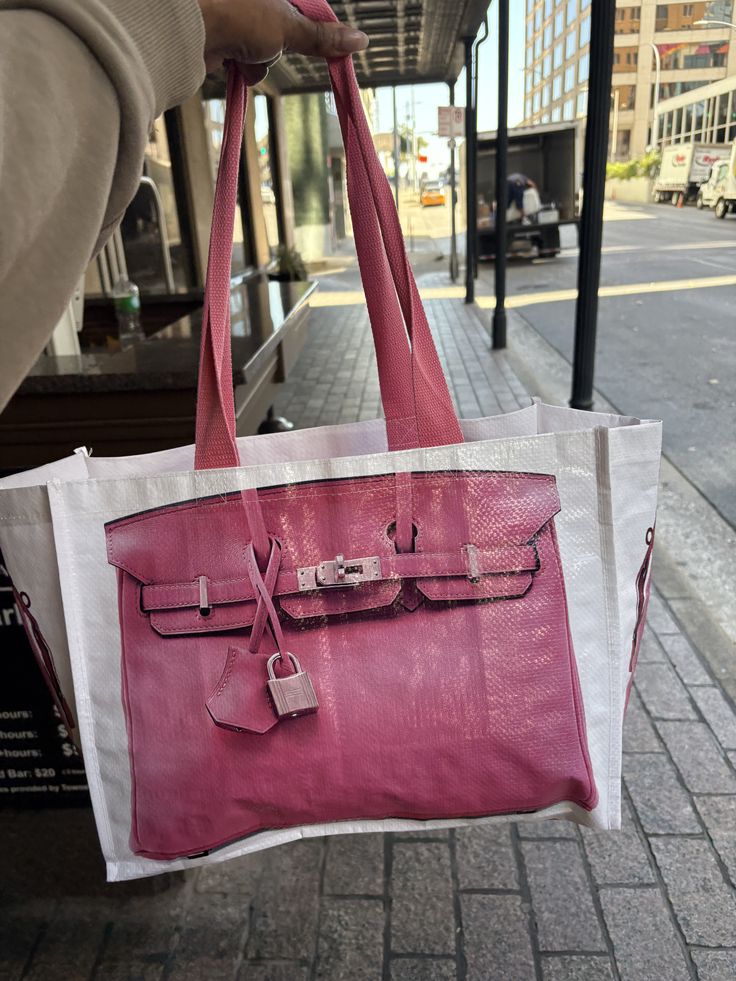
Welcome to the age where carrying a "Superfake" isn't a compromise. It's the fit. From Canal Street to "RepScience": The Death of the Shame Stigma There was a time when wearing knockoffs carried a social death sentence, a distinct anxiety that someone with a magnifying glass would catch the wrong stitch on your Goyard canvas. That paranoia died the second "Superclones" entered the chat. Driven by sub-reddits, private Discord servers, and underground factory networks running reverse-engineered 3D scans, high-tier replicas now mirror genuine tannery leather and cloned watch movements with molecular precision. But the real shift isn't technical, it's psychological.
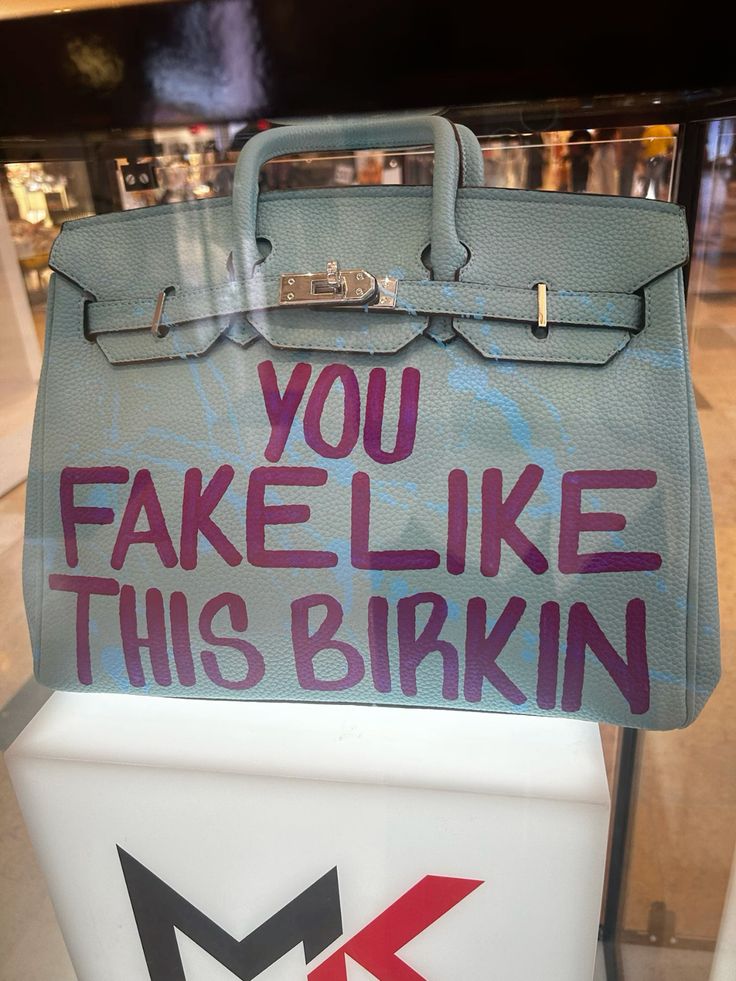
Gen Z and fashion-forward millennials no longer view buying a top-tier replica as desperation. It’s framed as an economic rebellion. Why drop $10,000 on an artificial "Quota System" purse when $600 yields the exact same European sheepskin cut from the same factory floor? The New WAG Aesthetic: Chaos, Clutter, and "Camp" Fakes The modern WAG silhouette thrives on contrast. It takes the loud, glamorous tropes of mid-2000s football royalty: over-the-top faux fur, distressed Miu Miu leather, oversized frames, and heavy hardware and pairs them with zero reverence for the luxury house itself. ● The Hero Piece: $400 Kata-Factory Miu Miu Aventure Tote or "Superfake" Hermès Kelly 32 ● The High-Low Contrast: Beat-up Vintage Leather, Track Pants, Faux-Fur Scarf, Statement Flats ● The Styling Philosophy: Dragged through the dirt, stuffed with lip gloss, explicitly worn-in The coolest thing you can do with a fake luxury bag in 2026 is treat it like garbage. The new WAG aesthetic demands that luxury items look lived-in. People are purposely distressing their replica bags, scuffing the hardware, and cramming them full of daily junk to project an aura of casual disregard. The ironies run deep: ● The Rich Girl Paradox: High-earning influencers who can afford original designer gear are actively mixing high-tier rep clones into their genuine wardrobes, treating authentication checks as a game. ● Open Sourcing Style: In fit-checks across TikTok and Instagram, gatekeeping is out. Creators openly tag their rep agents alongside vintage finds, turning the "how to source" guide into high-engagement content. Anti-Exclusivity as the Ultimate Flex When traditional luxury houses turned into financial asset classes, they lost their street cred. Authenticity became corporate; the fake became subcultural. The New WAG era tolerance of fake fashion isn't about fooling anyone, it's about asserting that style cannot be bought at a flagship boutique. When the replica is indistinguishable from the real thing, the value returns to how you style it, how you wear it, and the attitude you carry while wearing it. In 2026, dropping five figures on a handbag doesn't prove you have good taste. It just proves you fell for the marketing. Rocking a $300 superclone with vintage sportswear and complete apathy? That's the real flex.