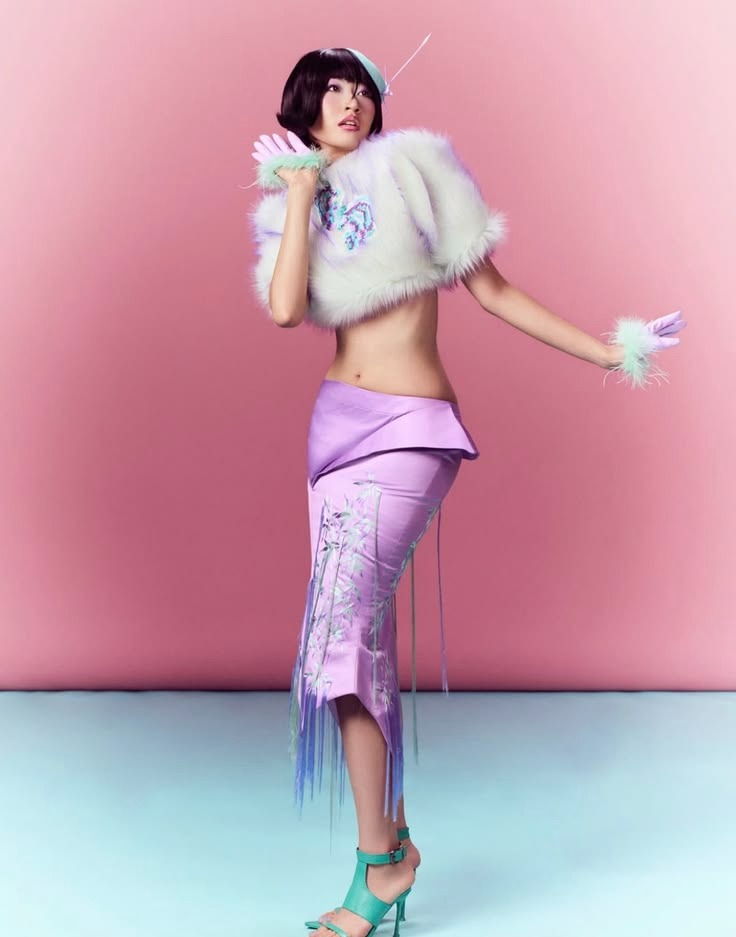
This is CẢI LƯƠNG
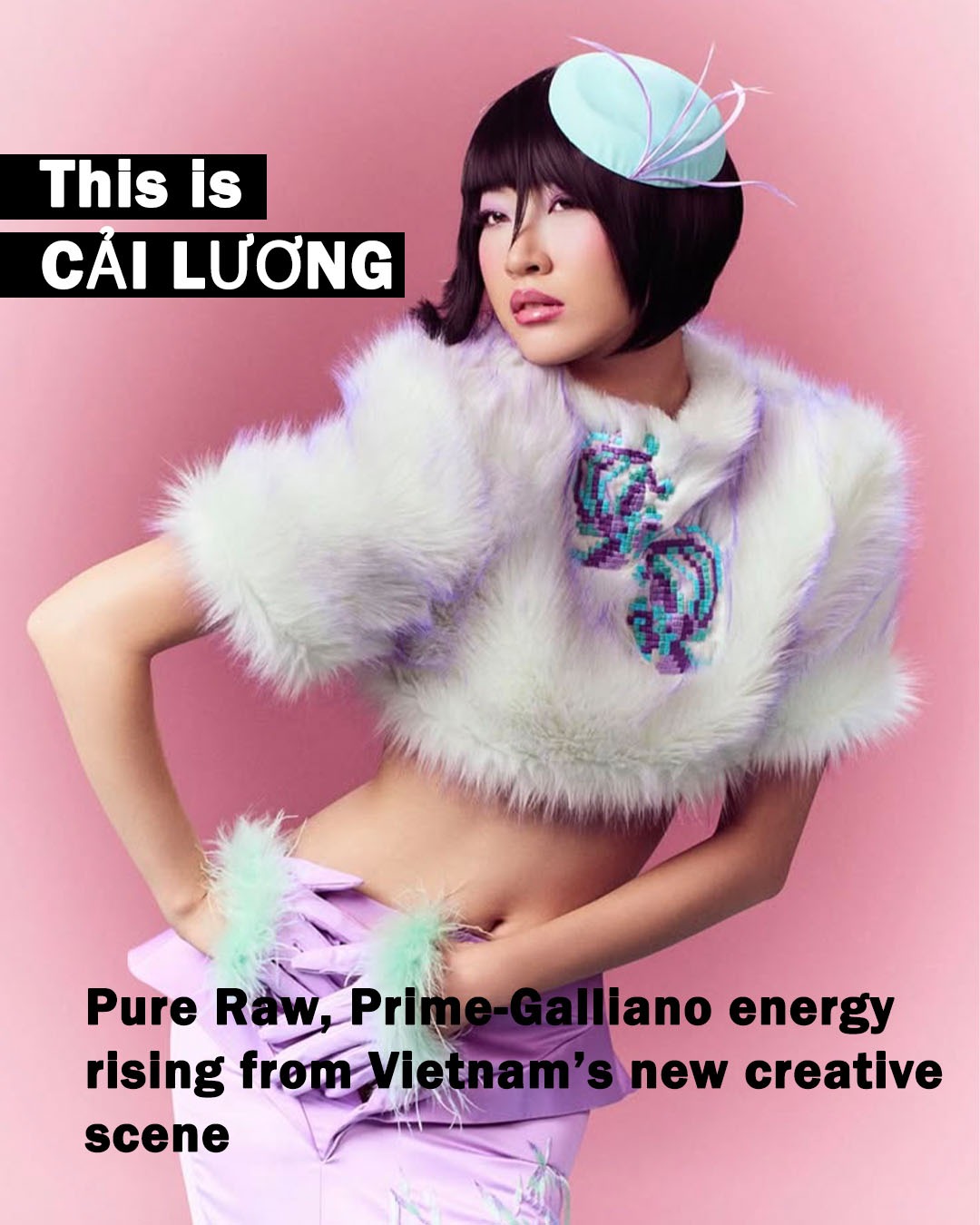
From childhood television to a fashion collection Thiên Nhi's graduation collection, CAI LUONG, emerged from a very personal memory. As a child, she regularly watched cải lương with her grandmother on television and became fascinated by the elaborate costumes and highly stylised characters of the performances. Rather than simply reproducing those costumes, however, she began asking what would happen if their visual language were moved into contemporary fashion.
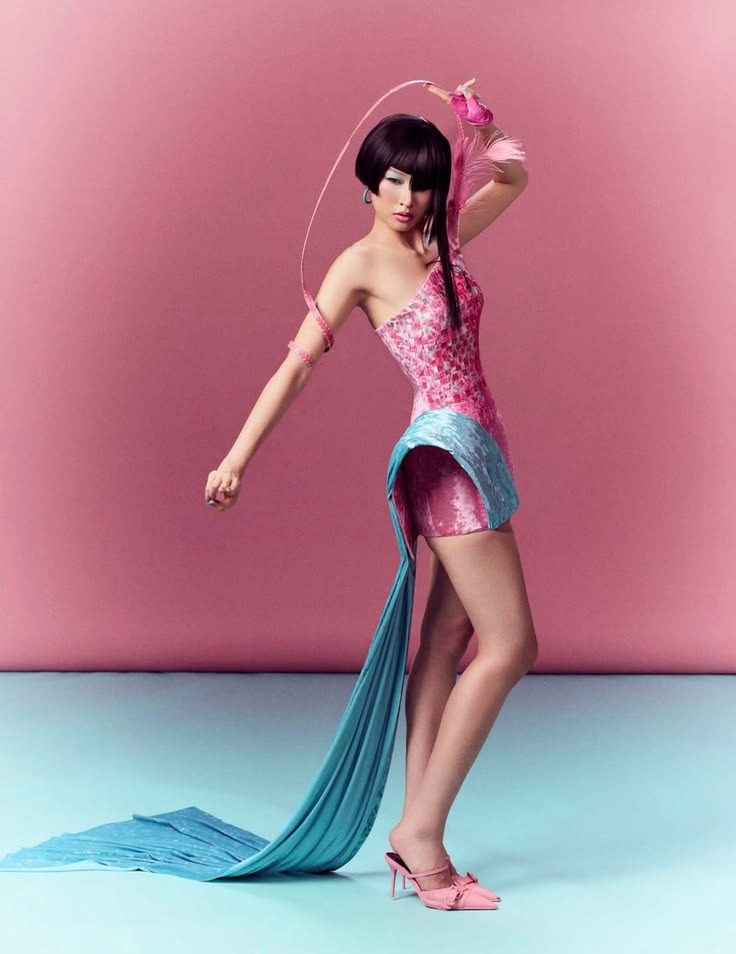
The result is a collision of Cải Lương Tuồng Cổ, Y2K fashion and pastel colour. Harper's Bazaar Vietnam describes the collection as drawing particularly on the costumes and imagery of cải lương performances from the 1990–2010 period, transformed through Thiên Nhi's own contemporary perspective. That distinction matters. This isn't heritage presented as museum culture. It is heritage filtered through the visual memory of someone who grew up with both traditional Vietnamese imagery and the hyper-coloured, digital aesthetics of contemporary youth culture. The effect is almost like remembering Vietnamese theatre through a dream.
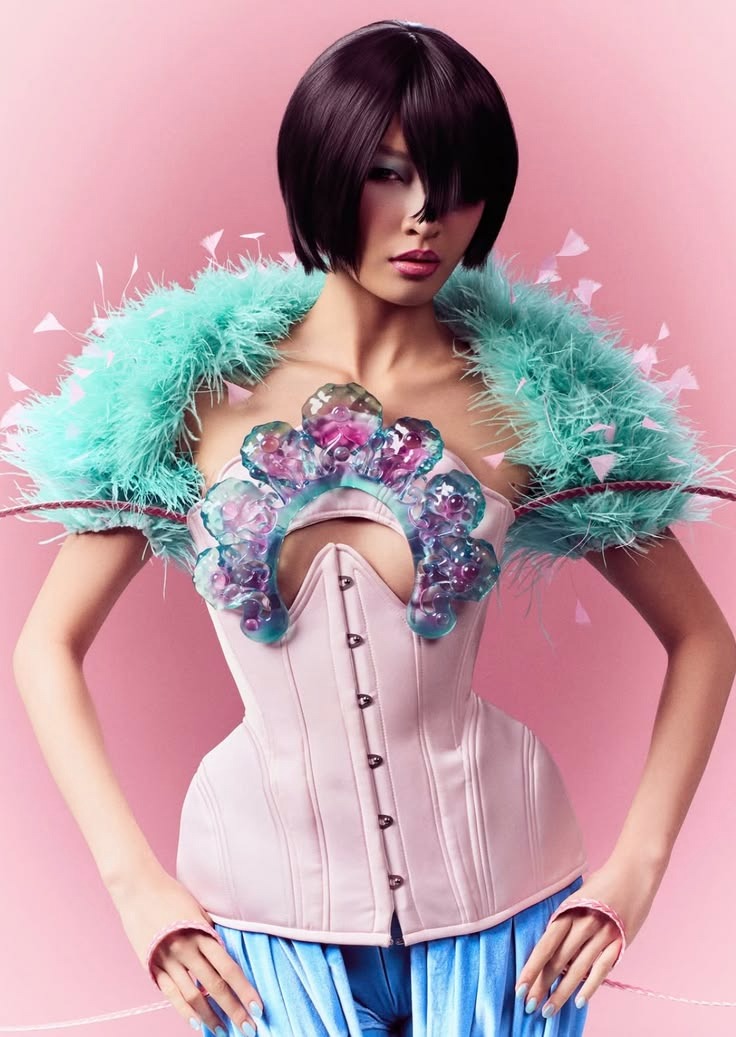
The strange beauty of CẢI LƯƠNG The photographs accompanying the collection make that philosophy immediately apparent. Pastel pinks, icy blues, lavender and mint replace the darker theatrical palette one might traditionally associate with historical stage costumes. Fur and feathers exaggerate the silhouette. Corsetry pulls the body into sculptural shapes, while beads and embellishments create surfaces that appear almost pixelated. A designer to watch Huỳnh Lý Thiên Nhi is still very much at the beginning of her professional journey. The available record is primarily that of a recent fashion graduate rather than an established fashion house, and that is precisely what makes the work interesting. There is already a recognizable tension at the heart of her practice: tradition versus digital culture; memory versus fantasy; craft versus spectacle. Her CAI LUONG collection demonstrates that these oppositions don't necessarily need to be resolved. They can coexist. The result is fashion that feels distinctly contemporary without abandoning its Vietnamese point of departure. Instead of treating cultural heritage as something fixed in the past, Thiên Nhi treats it as raw material—something that can be sampled, distorted, recoloured and rebuilt for another generation. And perhaps that is the most exciting thing about @hwangpuie: behind the feathers, pastel colours and extravagant silhouettes is a designer figuring out how to make her own memories visually legible.